


What power supply capacity is required for industrial air conditioning? In large production facilities-such as those used for CNC machining, injection molding, or printing-selecting an air conditioning system involves more than just calculating cooling capacity. It is essential to also account for the unit's input power, starting current, simultaneous operation rate, and the available capacity of the facility's existing transformers. Failure to do so can lead to a scenario where the cooling capacity is sufficient, but the power supply system is unable to support the load.
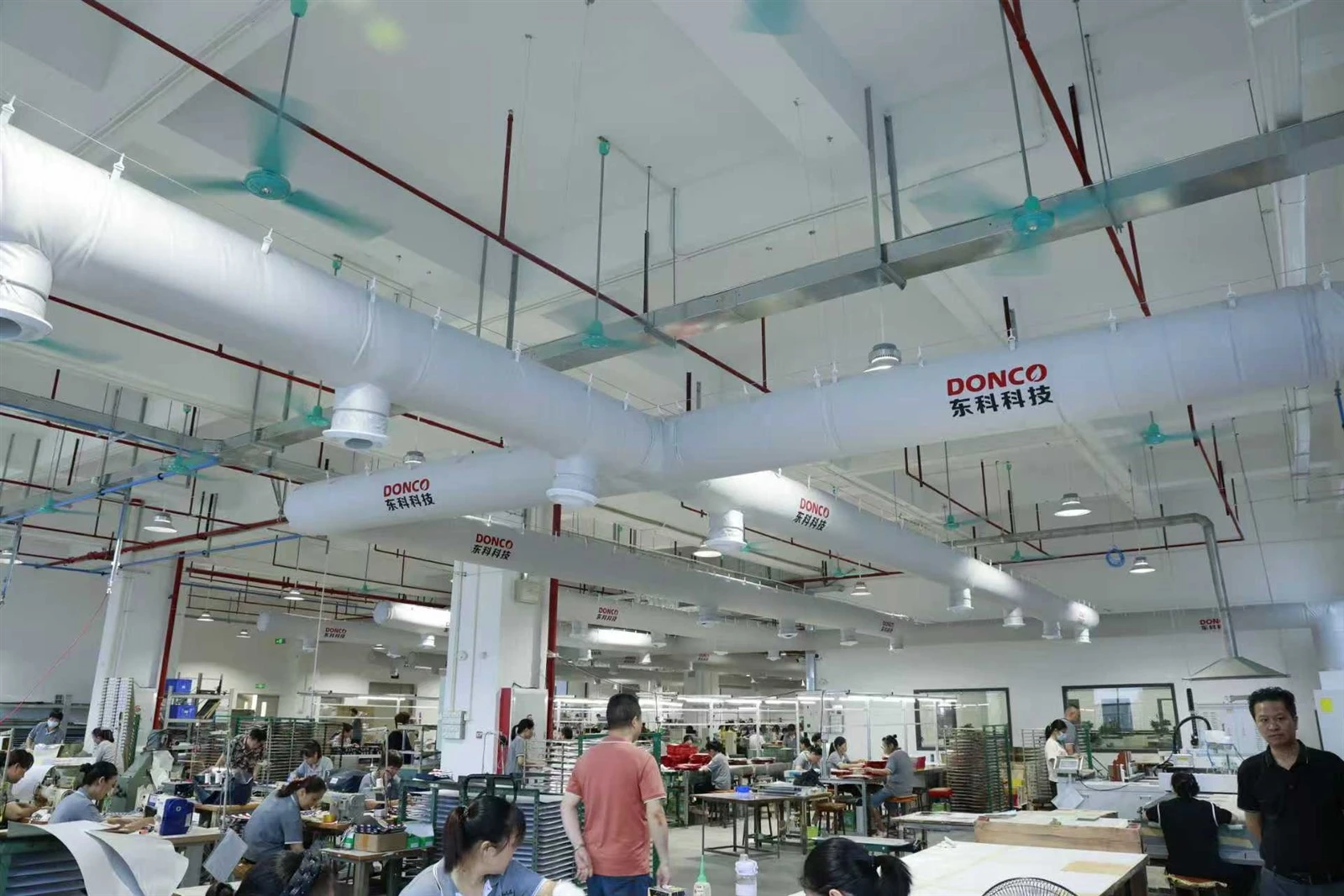
When selecting industrial air conditioning for large workshops, many companies focus primarily on cooling tonnage, horsepower, or the area to be cooled, often overlooking power distribution requirements. This is particularly critical for new or renovated overseas facilities; if an air conditioning solution necessitates the expansion of transformers, cabling, and electrical distribution panels, the total project investment will increase significantly. Therefore, when comparing different cooling solutions for industrial plants, it is advisable to evaluate equipment power requirements and the costs associated with electrical infrastructure upgrades, rather than focusing solely on the purchase price of the equipment. For large-scale factories, the cost of electrical infrastructure expansion can sometimes far exceed the cost of the air conditioning equipment itself.
For facilities with multiple production zones, implementing independent, zoned control allows air conditioning units to be operated based on the status of specific production lines. This prevents energy waste by avoiding unnecessary cooling in non-active areas. Furthermore, carefully planning the number of units and their operational combinations helps manage peak electricity demand.
During the design phase of an industrial air conditioning project, DONCO can tailor the configuration by analyzing factors such as the workshop's thermal load, production shifts, existing transformer capacity, and equipment layout-ensuring that cooling requirements are well-aligned with the facility's actual power supply conditions.